Blog Posts
·
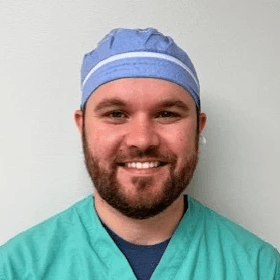
Braxton Beech, CRNA

Reflecting on my first 90 days as a Certified Registered Nurse Anesthetist with LifeLinc Anesthesia, I can say it has been a very rewarding transition. I was confident in the education and training I received, but I quickly realized that becoming a successful anesthesia provider takes much more than finishing a program. Becoming a CRNA does not end with graduation or passing boards. In many ways, that is when the real learning begins. Every patient, every procedure, and every clinical situation is a chance to expand your knowledge and sharpen your practice.
Lead with a good attitude
One of the most helpful things to keep in mind, both in anesthesia school and as you start your career, is to always maintain a warm and approachable attitude. Coming into work with a good attitude makes others far more likely to welcome you. Treating others with respect, kindness, and consideration can open more doors than almost any other quality. Looking back to my clinical days, I trained at many LifeLinc facilities, and every team welcomed me and treated me like part of the family. When it came time to decide where I wanted to work, the team at my facility at Baptist Anderson played a huge role in my development as a new CRNA. Having that family environment to lean on, and people I could ask questions, meant more than anything. Starting a new position can feel overwhelming, especially in a role that carries this much responsibility. The team you choose to work with matters more than you would expect when you are fresh out of school. Providing safe and effective anesthesia care is never an individual effort. It takes communication and trust across the whole team. Bringing a positive attitude to a new workplace can help build the foundation for a supportive, close-knit team environment.
Show up eager to learn
A strong work ethic can make or break someone’s first impression of you. Preceptors and coworkers will forget the intubation you missed, the block you struggled with, or the arterial line that took you forever to place. What they remember is your eagerness to get in there and learn. The best part of being a CRNA is the sheer range of skills and procedures you get to perform, so the only person you hurt by avoiding the uncomfortable situations is yourself.
One of the best ways to become a stronger CRNA is to volunteer for the hard cases. Taking on tougher cases is far less intimidating when you are surrounded by CRNAs who genuinely want to see you succeed. Even on the days I did not know the answer, having experienced CRNAs nearby to help made a world of difference.
Learn people’s names
Because I trained at a new facility every two months during school, I learned how much it says about your character to remember the names of the people you work with. From pre-op, to the OR, to the recovery room, addressing your teammates by name makes you more approachable and easier to work with. These first few months have reinforced how important it is to stay approachable and to keep looking for ways to fit in with the team around you.
Keep preparing like a student
Moving from a student role into the CRNA role changes everything. You no longer have a preceptor watching over your shoulder. That does not mean you should abandon the preparation that got you here. Before the day starts, look your patients up, build a plan, and brush up on cases you have not done in a while. There is nothing wrong with bouncing ideas off your coworkers and making sure your plan lines up with how others would approach it. Second opinions and fresh ideas are valuable, especially when you are new. And keep it simple. Try not to overcomplicate things while you are still finding your footing.
Grateful for the foundation
LifeLinc has given me a strong foundation at this early stage of my career. The team’s willingness to share knowledge and offer guidance has been invaluable. I am grateful to work alongside people who understand that growth takes time and who are genuinely invested in seeing newer providers succeed. Going forward, my goals are to stay teachable and keep improving. I am thankful for everything these first 90 days have taught me. I am excited for the future, grateful for the opportunity, and proud to be part of the LifeLinc Anesthesia family.
About the author: Braxton Beech is a nurse anesthetist who trained at the University of Southern Mississippi, where he gained experience across more than 10 different medical facilities throughout the state of Mississippi. Outside of work, he is a proud dad to his 2-year-old son and has been married to his wife, who is also a CRNA, for five years. The two are fortunate to work together and share their passion for anesthesia. When he is not working, Braxton enjoys spending time outdoors, grilling, and making memories with his family.